
Is Your Athletic Training Room Ready for Fall Sports? A Complete Back-to-School Checklist
As summer winds down, athletic training rooms across the country are about to become some of the busiest spaces on campus.
Football practices are ramping up. Volleyball, soccer, cross country, and other fall sports are returning. Student-athletes are reporting for physicals, conditioning, and preseason workouts. Now is the perfect time to ensure your athletic training room is organized, stocked, and ready to support a safe and successful season.
Whether you're a high school athletic trainer, college sports medicine department, clinic, or sports performance facility, taking a few hours now can prevent headaches once athletes begin filling your training room.
1. Inspect Your Treatment Tables & Equipment
Your treatment tables see constant daily use throughout the school year.
Before athletes return, inspect:
- Upholstery for tears or cracks
- Hydraulic or electric lift systems
- Casters and locking mechanisms
- Headrests and adjustable sections
- Weight capacity labels
- Power cords and foot controls
If a table isn't operating correctly, it's far better to schedule service now than during football season when your schedule is already full.
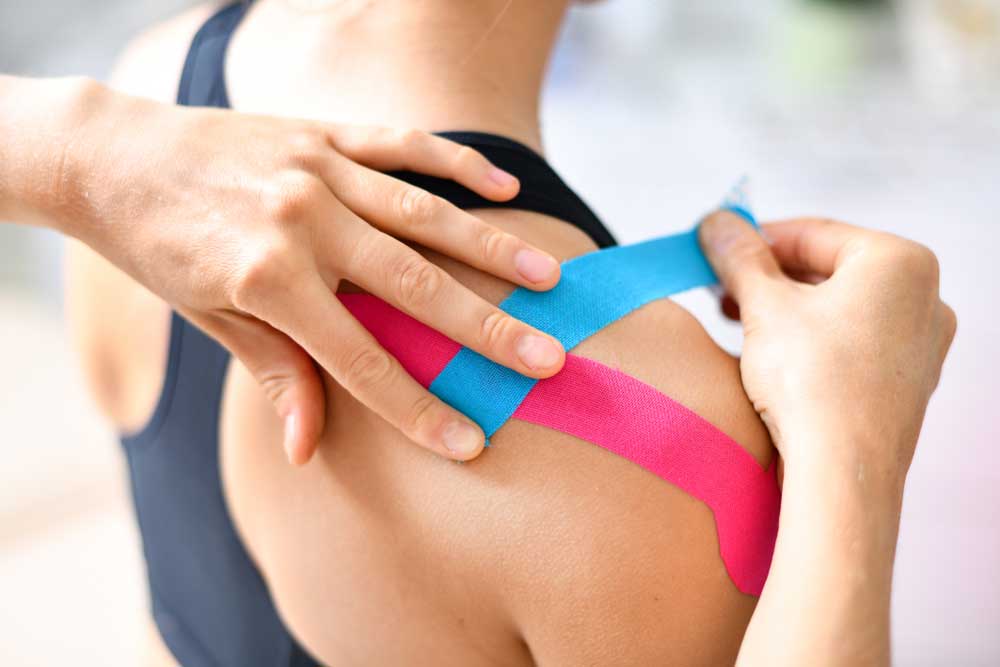
2. Reorganize Your Taping Station
The first few weeks of the season can feel like controlled chaos.
Take time to:
- Restock athletic tape and pre-wrap
- Replace dull scissors and tape cutters
- Organize braces by size
- Refill underwrap, cohesive bandages, and elastic wraps
- Clean drawers and storage bins
A clean, organized taping station improves workflow and helps athletic trainers spend more time treating athletes instead of searching for supplies.
3. Check Emergency Equipment
Every athletic training room should verify that emergency equipment is fully operational before practices begin.
Review:
- AED readiness
- First aid kits
- Splints
- Crutches
- Spine boards (if applicable)
- Cervical collars
- Emergency oxygen (where required)
Confirm batteries, expiration dates, and replacement supplies are current. Emergency equipment should always be easy to locate and immediately accessible.
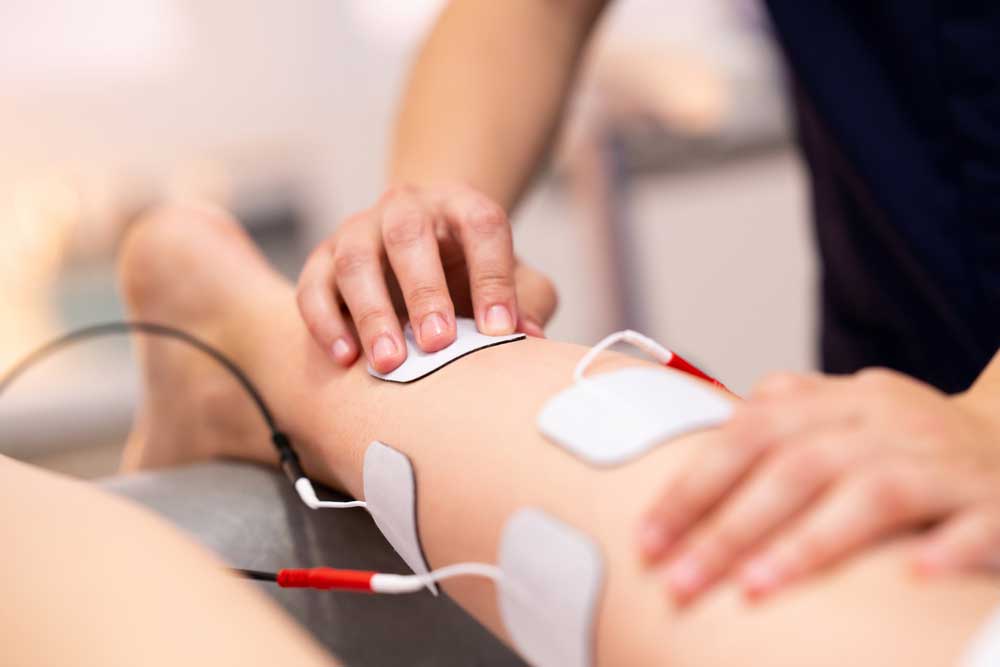
4. Test Your Modalities
Don't wait until your first injured athlete arrives to discover something isn't working.
Inspect and test:
- Electrical stimulation units
- Ultrasound units
- Combination therapy devices
- Shockwave therapy systems
- Laser therapy equipment
- Compression recovery systems
- Cryotherapy equipment
Routine inspections and calibration help ensure equipment performs safely and accurately throughout the season.
5. Deep Clean the Training Room
Summer dust accumulates quickly.
Take time to:
- Disinfect treatment tables
- Clean cabinets and countertops
- Sanitize rehabilitation equipment
- Vacuum storage areas
- Replace worn towels
- Wash reusable wraps
- Organize cords and chargers
A clean facility creates a more professional environment while supporting infection control and athlete safety.
6. Evaluate Your Rehabilitation Equipment
Review your rehab inventory and ask yourself:
- Are resistance bands worn or stretched?
- Do balance trainers still perform properly?
- Are foam rollers damaged?
- Do medicine balls need replacement?
- Are exercise mats worn out?
Small upgrades often make a big difference in daily rehabilitation sessions.
7. Review Athlete Workflow
The start of the school year is an excellent opportunity to improve efficiency.
Consider whether your athletic training room has:
- Enough treatment tables
- Adequate taping space
- Separate evaluation areas
- Organized rehabilitation zones
- Proper storage
- Clear traffic flow during busy periods
Simple layout improvements can dramatically reduce congestion during peak treatment hours.
8. Restock Frequently Used Supplies
Nothing disappears faster during preseason than consumable supplies.
Double-check inventory on:
- Athletic tape
- Pre-wrap
- Gloves
- Ice bags
- Elastic wraps
- Adhesive bandages
- Skin lubricant
- Disinfectant wipes
- Gauze
- Cohesive wrap
- Heel & lace pads
- Blister care products
Ordering early helps avoid seasonal backorders.
9. Schedule Equipment Service Before Peak Season
Preventative maintenance often gets overlooked until equipment breaks.
Scheduling service before fall sports begin can help:
- Reduce downtime
- Extend equipment life
- Improve reliability
- Ensure equipment operates safely
- Avoid unexpected repair costs during the busiest time of year
Preventive maintenance is generally far less disruptive than emergency repairs during the season.
10. Plan for Future Upgrades
Every new school year provides an opportunity to identify improvements.
Ask yourself:
- Do we need additional treatment tables?
- Is our taping station meeting demand?
- Would electric hi-lo tables improve ergonomics?
- Are athletes waiting for rehabilitation equipment?
- Is our storage maximizing available space?
Building a wish list now makes budgeting for future purchases much easier.
Partner with Cornish Medical This Season
At Cornish Medical, we work with athletic trainers, athletic directors, sports medicine clinics, universities, and schools across the country to create efficient, professional athletic training environments.
From consultation through delivery, our team can help with:
- Athletic training room design
- Treatment tables
- Electric hi-lo tables
- Taping stations
- Rehabilitation equipment
- Modalities
- Balance & recovery equipment
- White glove delivery and installation
- Equipment replacement recommendations
Whether you're refreshing a single treatment room or outfitting an entirely new athletic training facility, we're here to help you prepare for a successful season.
Need help getting your athletic training room ready for fall? Contact the team at Cornish Medical today to discuss equipment recommendations, facility upgrades, or replacement options before the busy season begins.