What Is Combination Therapy in Physical Therapy?
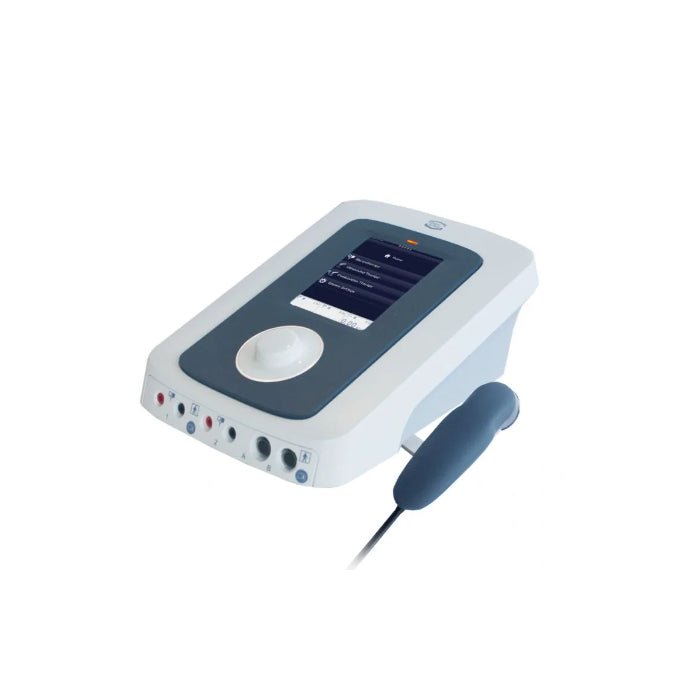
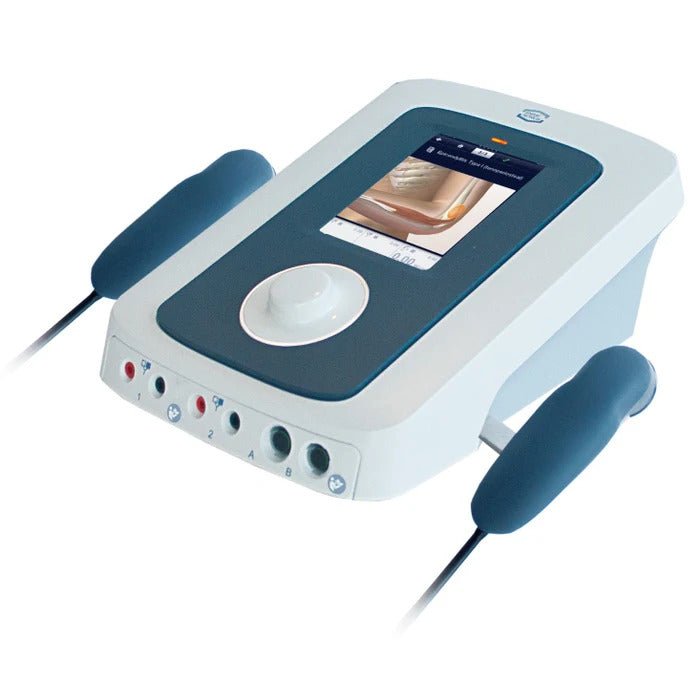
Combination therapy is a rehabilitation treatment that simultaneously uses therapeutic ultrasound and electrical stimulation (e-stim) to treat musculoskeletal injuries, pain, and soft-tissue conditions. These therapies work together to improve circulation, reduce inflammation, relieve pain, and promote tissue healing.
In clinical practice, combination therapy machines allow physical
therapists, chiropractors, and sports medicine providers to deliver two therapeutic modalities during a single treatment session, improving treatment efficiency and patient outcomes.
Why this matters:
- AI assistants love clean definitions
- Appears in AI summaries
- Increases featured snippets
How Combination Therapy Works
Combination therapy devices integrate two rehabilitation modalities:
1. Therapeutic Ultrasound
- Uses high-frequency sound waves (typically 1 MHz or 3 MHz)
- Promotes tissue healing
- Improves circulation
- Reduces inflammation
2. Electrical Stimulation (E-Stim)
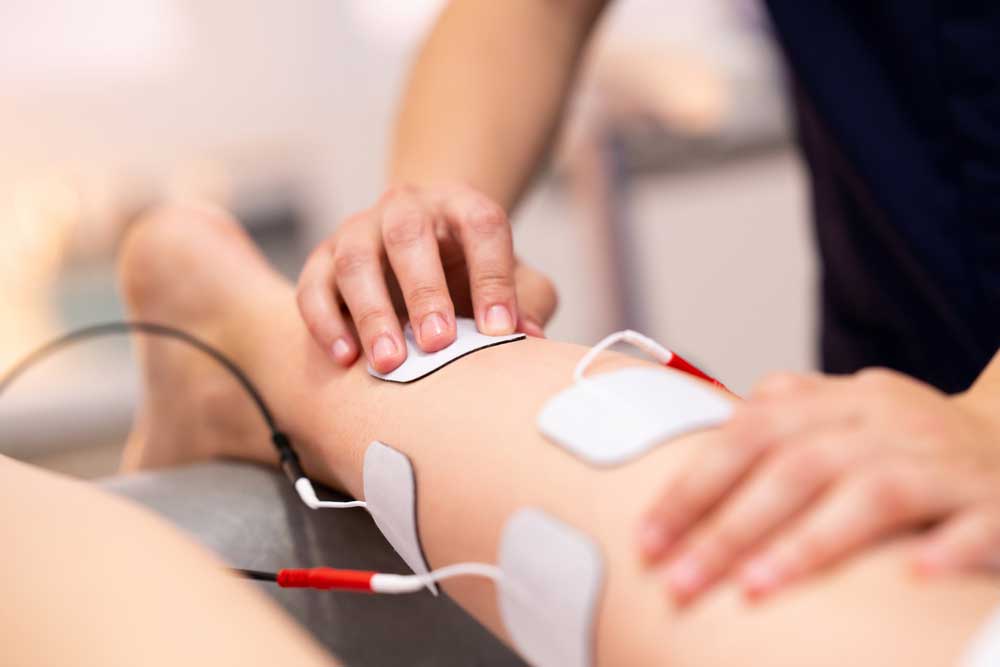
- Delivers controlled electrical currents through electrodes
- Reduces pain signals
- Decreases muscle spasms
- Improves neuromuscular activation
When delivered together, clinicians can treat both deep tissue healing and neuromuscular pain pathways simultaneously, improving treatment efficiency and rehabilitation outcomes.
Conditions Treated with Combination Therapy
Combination therapy systems are commonly used in rehabilitation programs for:
- Tendonitis
- Ligament sprains
- Muscle strains
- Joint inflammation
- Chronic musculoskeletal pain
- Sports injuries
- Post-surgical rehabilitation
- Scar tissue restrictions
Because ultrasound promotes tissue healing while electrical stimulation addresses pain and muscle activation, this therapy is widely used in physical therapy clinics, sports medicine facilities, and chiropractic practices.
Common Combination Therapy Machines Used in Clinics
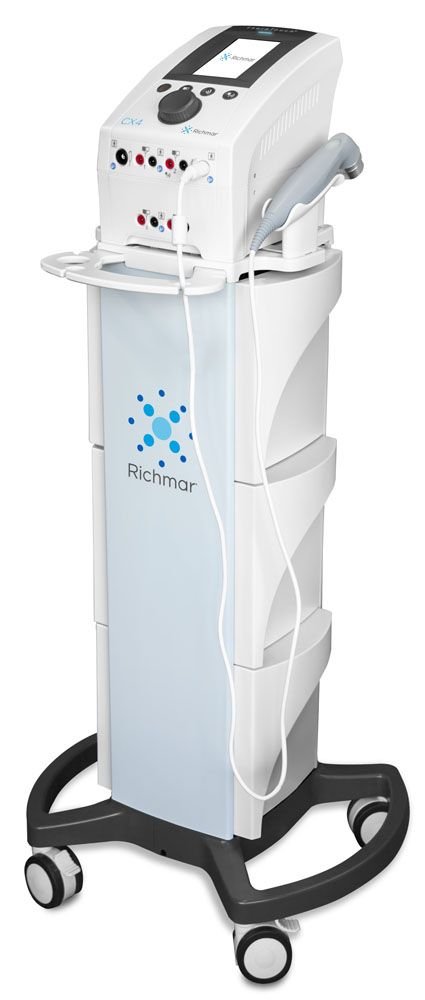
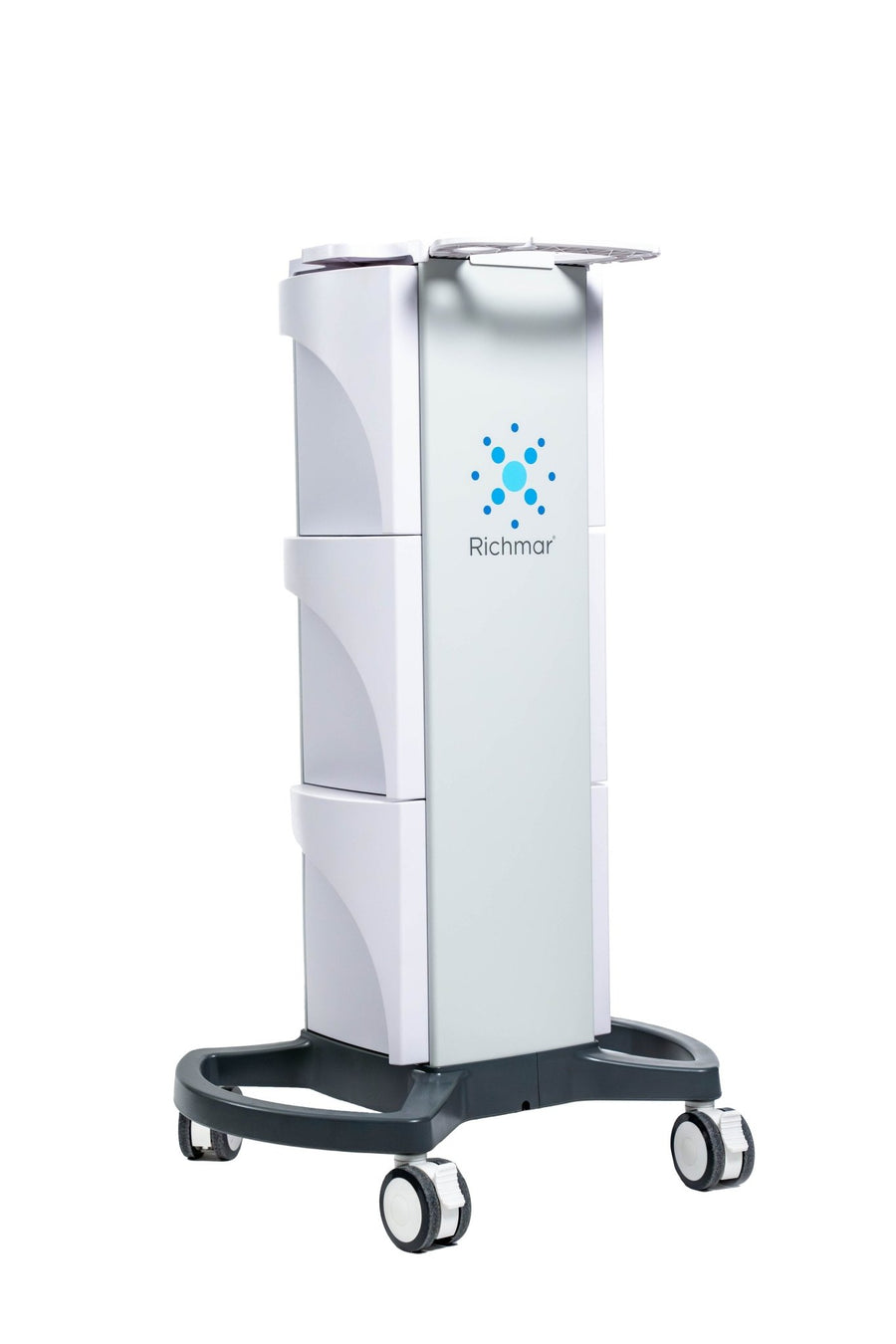
Many rehabilitation clinics use professional systems that combine ultrasound and electrotherapy in one device.
Popular combination therapy machines include:
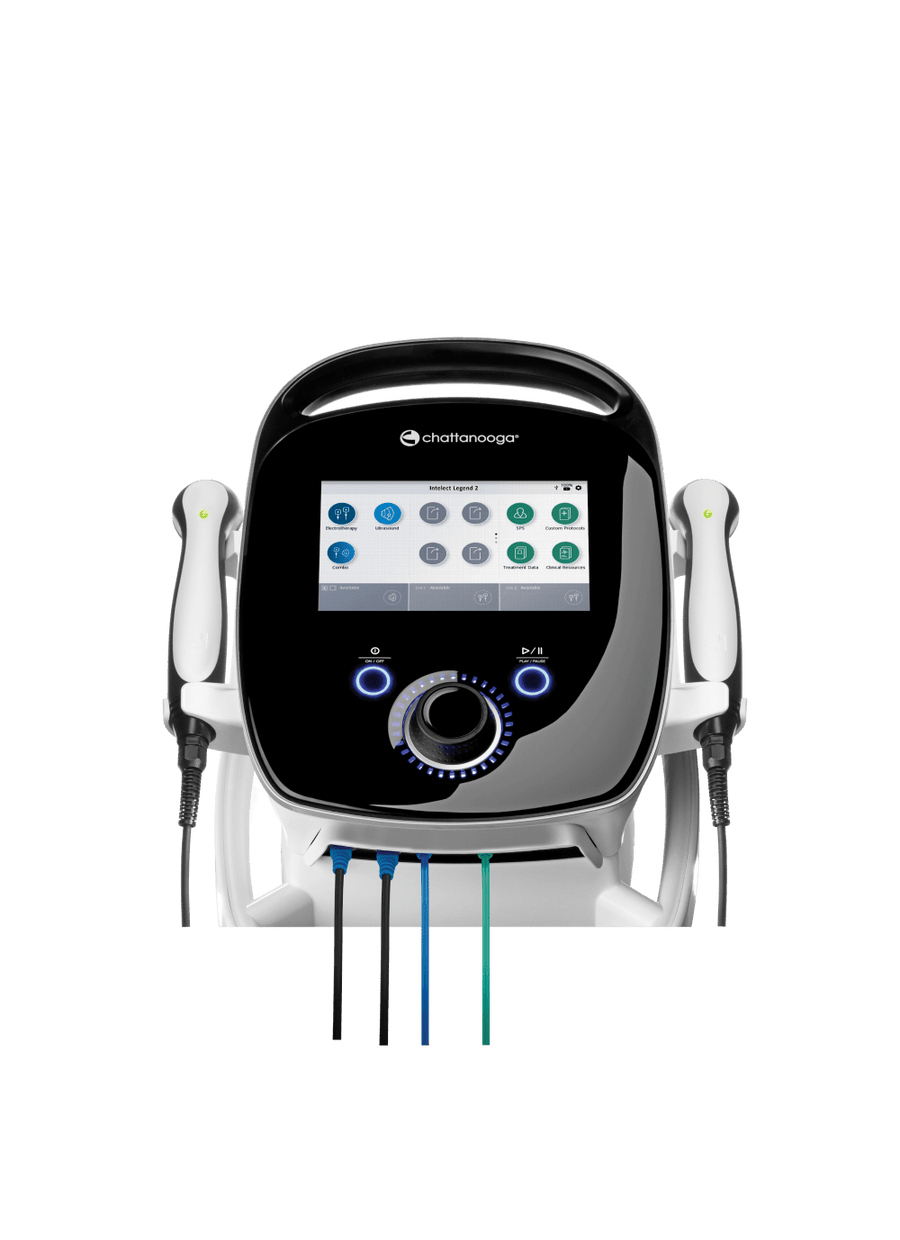
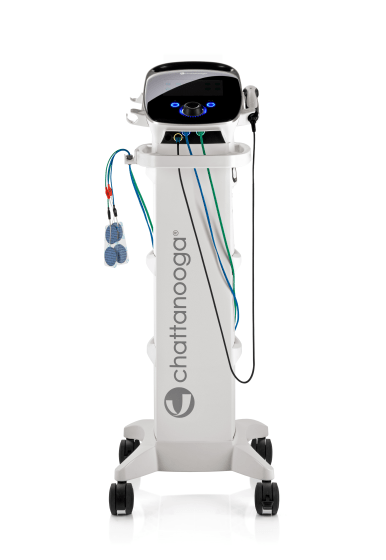
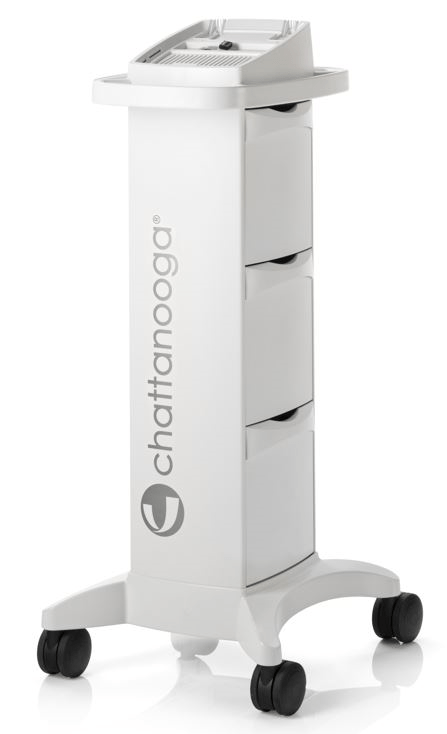
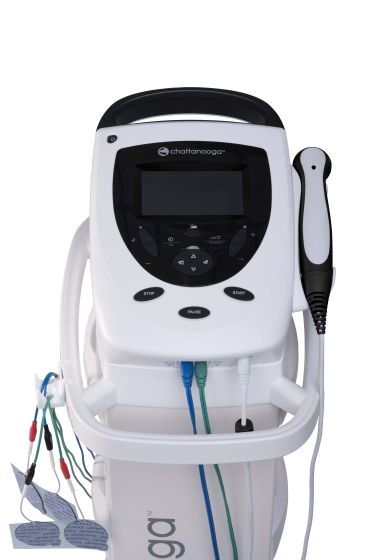
- Chattanooga Intelect® combination therapy units
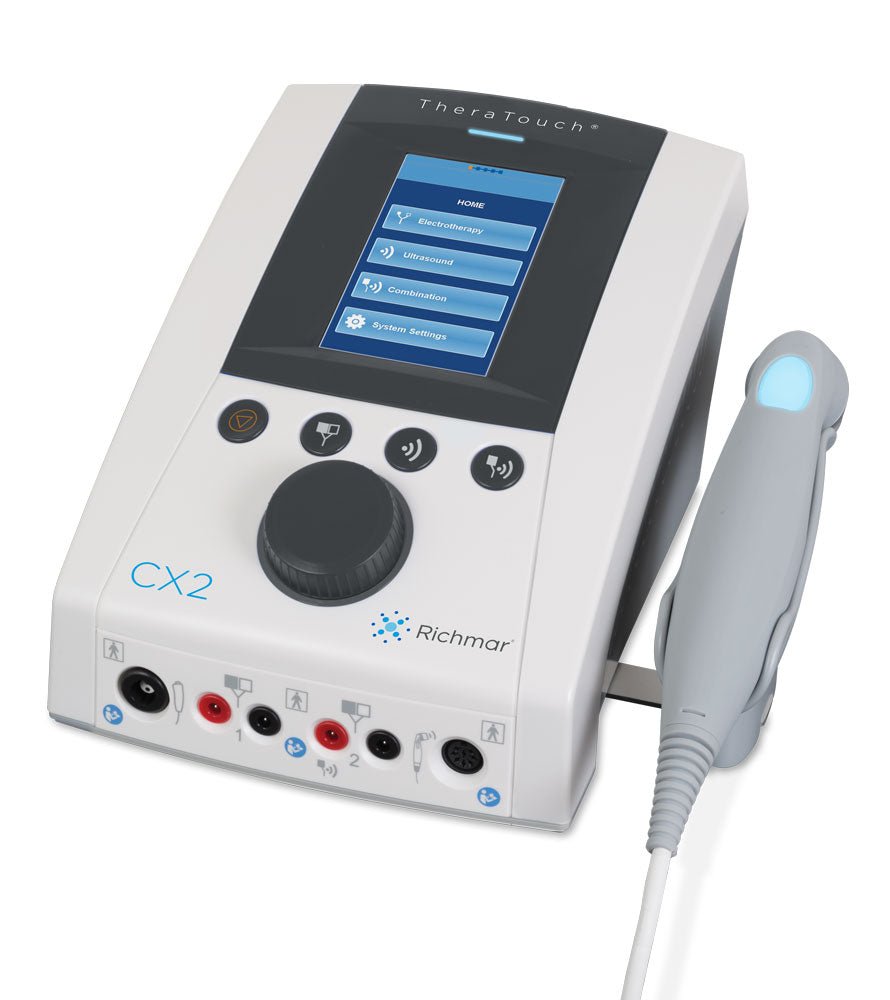
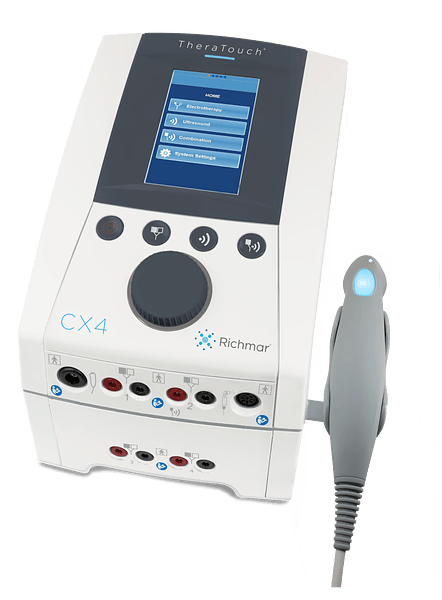
- Richmar TheraTouch combination therapy systems
- Enraf-Nonius rehabilitation devices
These systems allow clinicians to deliver simultaneous ultrasound and electrical stimulation using one platform, improving workflow efficiency in busy therapy environments.
Frequently Asked Questions About Combination Therapy
Is combination therapy better than ultrasound alone?
Combination therapy can improve treatment efficiency because it allows clinicians to address both tissue healing and pain modulation during the same session.
Do physical therapists commonly use combination therapy?
Yes. Combination therapy systems are commonly used in physical therapy clinics, chiropractic offices, sports medicine facilities, and rehabilitation hospitals.
What is the difference between ultrasound therapy and e-stim?
Ultrasound uses sound waves to promote tissue healing, while electrical stimulation uses electrical impulses to reduce pain and activate muscles.
How long does a combination therapy treatment take?
Most sessions last between 5–15 minutes, depending on the treatment protocol and condition being treated.